
| en | it |
Check this page regularly to ensure you have the most up to date information.
Hazardous Material Detection - Color Sensing:
Your team’s task is to deploy a robot to detect hazardous materials on the patrol route. The hazardous materials can be identified according to the colour of the ground and so your robot may be equipped with color detection sensors and a line following capability as this will guide you along the route.
Your robot should follow a line on the track and use sensors to detect different colors on the track surface. Upon detecting a color, the robot must stop and activate the corresponding LED lights.

Teams must notify the referee whether control will be by RC (Remote Control) or using Auto (Automation).
RC
If your team chooses RC, your robot may be controlled remotely. Once the robot reaches a colour, it must stop momentarily and display the corresponding LED lights on the robot. This may be done manually by pressing a button or automatically by detecting the colour.
Auto
If your team chooses Auto, your robot must complete the task autonomously. The team may start the task by pressing a 'start' button on the robot or on a remote control. No other interaction will be allowed.
Task specific details:
- The dimensions of the track are approximately 1.83m wide by 3.66m long
- The black line will be marked with 19mm black electrical tape.
- Colours (yellow, red, blue, green) will also be made of electrical tape 19mm wide and between 2 and 3 cm long. Colours will be placed on a straight part of the track. There will be a minimum of 5cm of straight black line on both sides of the coloured section.
- The line will begin at the opening of the start position marked with 19mm black electrical tape (See image above).
- The exact position of the coloured regions and the black line will not be shared in advance.
- See general rules for more information.
Scoring:
Scoring will be the same for both 'RC' and 'Auto'. There will be 2 separate categories for this task.
- 20 points for keeping your robot on the black line.
- 10 points for stopping on each detected colour for a moment.
- 10 points: For led corresponding to each detected colour.
- Time points (120 – running time) will be awarded if maximum points have been scored and the robot returns to the starting position.
E.g. If the robot stays on the line (20), stops for a moment on each colour (40), detects and displays the correct coloured LED (40), and returns to the start in 97 seconds, the team will be awarded an additional 23 points, total: 113 points.
Operation Safe Passage - Obstacle Avoidance:
In this task, you must deploy a robotic to guide a humanitarian convoy through a complex terrain in a conflict zone.
Your robot should find it's way past the obstacles, around the cone and return to the finish point in the quickest time possible.


Teams must notify the referee whether control will be by RC (Remote Control) or using Auto (Automation).
RC
If your team chooses RC, your robot may be controlled remotely. Once the robot approaches an obstacle, it must sound an alarm. This may be done manually by pressing a button or automatically by detecting the obstacle.
Auto
If your team chooses Auto, your robot must complete the task autonomously. The team may start the task by pressing a 'start' button on the robot or on a remote control. No other interaction will be allowed.
Task specific details:
- The dimensions of the track are approximately 1.83m wide by 3.66m long
- The obstacles consist of three straight wooden pieces extending from the track's perimeter and a cone that the robot must navigate around.
- See general rules for more information.
Scoring:
- 50 points: For alarm sounding if it approaches an obstacle
- 50 points for completing the course without hitting an obstacle
- Time points (120 – running time) will be awarded if maximum points have been scored and the robot returns to the starting position.
E.g. If the robot sounds an alarm if it approaches obstacles (50), avoids all obstacles (50), and returns to the start in 97 seconds, the team will be awarded an additional 23 points, total: 123 points.
Organizing Medical Supplies - Sorting:
As we prepare for a humanitarian mission, our logistics team is counting on your expertise to categorize and streamline supplies for swift distribution. Your task is to group these essential items according to their color, ensuring a seamless deployment strategy for prompt assistance to impacted regions.
Competitors must program their robots to sort white and black balls into designated areas on the track. White balls should be placed in a white area, while black balls should be placed in a black area.

Teams must notify the referee whether control will be by RC (Remote Control) or using Auto (Automation).
RC
If your team chooses RC, your robot may be controlled remotely. The operator may move the robot around the area collecting balls and depositing them in the correct area.
Auto
If your team chooses Auto, your robot must complete the task autonomously. The team may start the task by pressing a 'start' button on the robot or on a remote control. No other interaction will be allowed.
Task specific details:
- The dimensions of the track are approximately 1.83m wide by 1.83m long
- A white area measuring 50cm x 50cm will be located in the far left corner, marked by two 1cm tall white wooden pieces. A black area of the same size will be positioned in the far right corner, marked by two 1cm tall black wooden pieces.
- Five white 5.5cm diameter balls and five 5.5cm diameter black balls will be placed randomly in the area marked with 19mm black electrical tape.
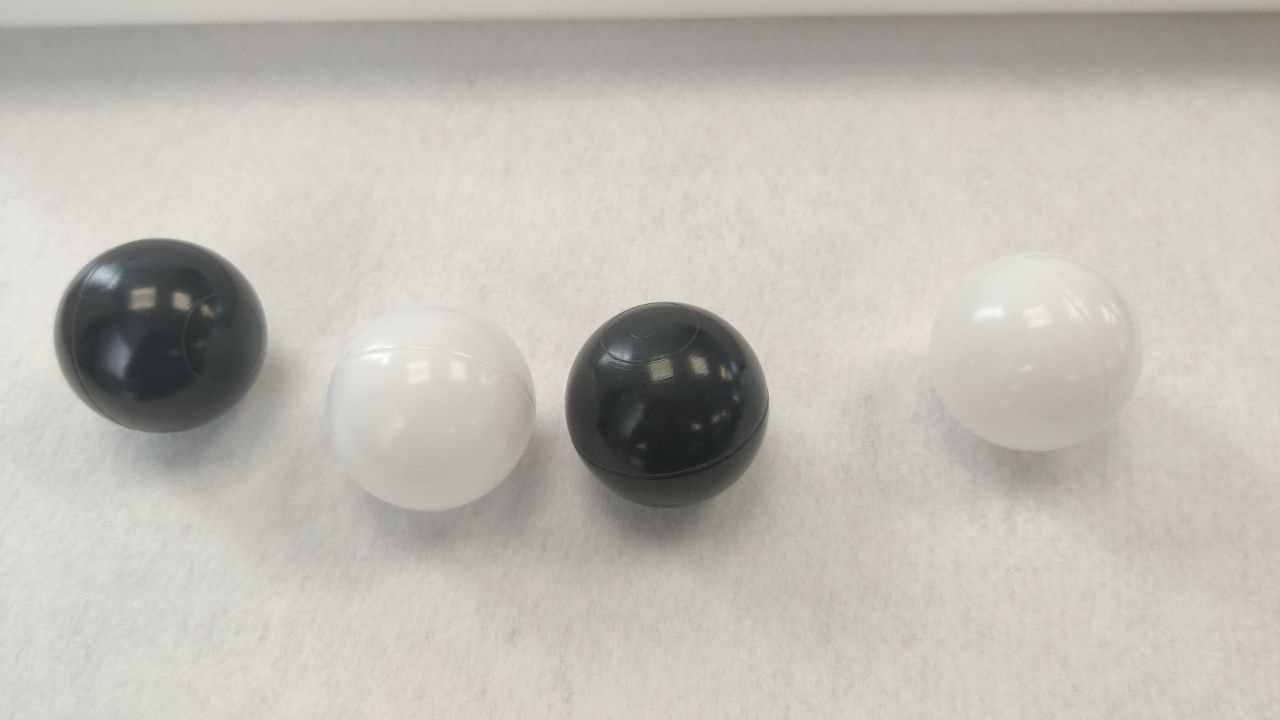
- The exact position of the balls will not be shared in advance and may change during the competition.
- See general rules for more information.
Scoring:
- 10 points for each ball placed in the correct coloured region
- Time points (120 – running time) will be awarded if maximum points have been scored and the robot returns to the starting position.
E.g. If the robot places 10 balls in the corresponding box (100), and returns to the start in 97 seconds, the team will be awarded an additional 23 points, total: 123 points.
Landmine Locator - Magnetic field Detector:
In a conflict-ridden region, the UN Counter-Terrorism Task Force deploys robots with magnetic field detection sensors to locate hidden improvised explosive devices (IEDs) on a route. Upon detection, the robot sounds an alarm, aiding in threat neutralization and ensuring the safety of personnel.
In this task, the route will be marked with a black line. Small magnets will be placed under the electrical tape. Competitors must equip their robots with magnetic field detection sensors to identify and locate these objects. Once detected, the robot should sound an alarm.

Teams must notify the referee whether control will be by RC (Remote Control) or using Auto (Automation) using the flip card at the starting point.
RC
If your team chooses RC, your robot may be controlled remotely. Once the robot detects a magnetic field, it must stop momentarily and sound a buzzer on the robot.
Auto
If your team chooses Auto, your robot must complete the task autonomously. The team may start the task by pressing a 'start' button on the robot or on a remote control. No other interaction will be allowed.
Task specific details:
- The dimensions of the track are approximately 1.83m wide by 3.66m long
- The black line will be marked with 19mm black Electrical Tape.
- The line will begin at the opening of the start position marked with 19mm black electrical tape.
- The exact position of the landmines (fridge magnets) and the black line will not be shared in advance and may change during the competition.
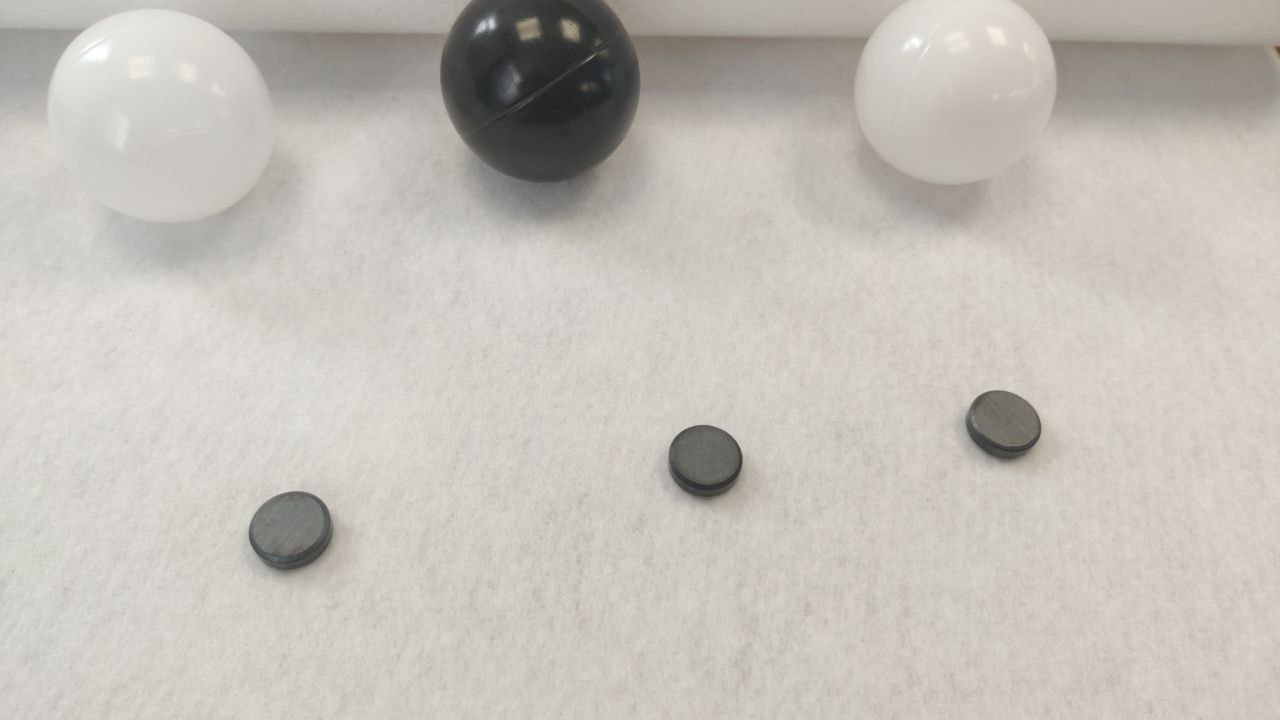
- See general rules for more information.
Scoring:
- 20 points for keeping your robot on the black line.
- 10 points for stopping on the landmine momentarily.
- 10 points: For sounding a buzzer to indicate detection of a landmine.
- Time points (120 – running time) will be awarded if maximum points have been scored and the robot returns to the starting position.
E.g. If the robot stays on the line, detects all 4 landmines by sounding a buzzer (40), stops for a moment on each landmine (40) and returns to the start in 97 seconds, the team will be awarded an additional 23 points, total: 123 points.
Supply Chain - Water Bottles:
Competitors program their robots to scan, locate, collect, and precisely deposit a standard 330ml water bottle, containing 25ml of water, on the track marked with a line, simulating a crucial supply retrieval task in a disaster relief scenario. The robot must follow a line to the water bottle zone, locate the bottle, deliver it to the designated area and return home.

Teams must notify the referee whether control will be by RC (Remote Control) or using Auto (Automation) using the flip card at the starting point.
RC
If your team chooses RC, your robot may be controlled remotely.
Auto
If your team chooses Auto, your robot must complete the task autonomously. The team may start the task by pressing a 'start' button on the robot or on a remote control. No other interaction will be allowed.
Task specific details:
- The dimensions of the track are approximately 1.83m wide by 3.66m long
- The black line will be marked with 19mm black electrical tape
- The line will begin at the opening of the start position marked with 19mm black electrical tape
- The bottle will be a standard 33cl water bottle containing 25ml of water and will be positioned on the black line.
- The position of the water bottle, the black line and the refilling area will not be shared in advance and may change during the competition.
- See general rules for more information.
Scoring:
- 20 points for keeping your robot on the black line.
- 40 points: For any movement of the bottle.
- 40 points: If the bottle is touching the ground in the refilling area.
- Time points (120 – running time) will be awarded if maximum points have been scored and the robot returns to the starting position.
E.g. If the robot stays on the line (20), moves the bottle (40), places it in the circle (40) and returns to the start in 97 seconds, the team will be awarded an additional 23 points, total: 123 points
Rapid Response Alert - Speed race:
Competitors program their robots to travel to the end, around the cone and return to the start in the quickest time possible.


Teams may compete using RC (Remote Control) or using Auto (Automation) using the flip card at the starting point.
RC
If your team chooses RC, your robot may be controlled remotely.
Auto
If your team chooses Auto, your robot must complete the task autonomously. The team may start the task by pressing a 'start' button on the robot or on a remote control. No other interaction will be allowed.
Task specific details:
- The dimensions of the track are approximately 0.87m wide by 3.66m long
- The start will be marked with a single line using 19mm black electrical tape
- Teams using RC may adjust their code to improve their result on the day of the competition.
- See general rules for more information.
Scoring:
- Time points (120 – running time) will be awarded if the robot travels around the cone and returns to the starting position.
E.g. If the robot travels around the cone and returns to the start in 97 seconds, the team will be awarded 23 points.
*Please note that rules of the robotics competition are subject to change. The organisers reserve the right to modify, add, or remove rules as necessary for the fair and safe conduct of the competition. Any updates will be posted on this website, the Robotics Competition official channel, and participants are expected to stay informed and adhere to the latest rules.
Thank you for your understanding and cooperation.
| en | it |
Controlla questa pagina regolarmente per assicurarti di avere le informazioni più aggiornate.
Si noti che questi sono compiti di esempio. Una lista finale di compiti sarà pubblicata qui prima del 28 febbraio 2025.
Rilevamento di Materiali Pericolosi - Sensore di Colore:
Il compito del tuo team è schierare un robot per rilevare materiali pericolosi lungo il percorso di pattuglia. I materiali pericolosi possono essere identificati in base al colore del terreno, quindi il tuo robot può essere dotato di sensori di rilevamento del colore e di una capacità di seguire la linea, in quanto ciò ti guiderà lungo il percorso.
Il robot deve seguire una linea sulla pista e utilizzare i sensori per rilevare i diversi colori sulla superficie del percorso. Dopo aver rilevato un colore, il robot deve fermarsi e attivare le luci LED corrispondenti.
Le squadre devono notificare al giudice se il controllo sarà effettuato tramite RC (Controllo Remoto) o con Auto (Automazione).
RC
Se la tua squadra sceglie RC, il robot può essere controllato da remoto. Una volta che il robot raggiunge un colore, deve fermarsi momentaneamente e visualizzare le luci LED corrispondenti sul robot. Questo può essere fatto manualmente premendo un pulsante o automaticamente rilevando il colore.
Auto
Se la tua squadra sceglie Auto, il robot deve completare il compito in modo autonomo. La squadra può avviare il compito premendo un pulsante 'start' sul robot o su un telecomando. Non saranno consentite altre interazioni.
Dettagli specifici del compito:
- Le dimensioni della pista sono approssimativamente 1.83m di larghezza per 3.66m di lunghezza.
- La linea nera sarà tracciata con nastro adesivo elettrico nero da 19mm.
- I colori (giallo, rosso, blu, verde) saranno anch'essi realizzati con nastro adesivo elettrico da 19mm di larghezza e tra 2 e 3 cm di lunghezza.
- I colori saranno posizionati su una parte dritta della pista.
- Ci sarà un minimo di 5 cm di linea nera diritta su entrambi i lati della sezione colorata.
- La linea inizierà all'apertura della posizione di partenza, segnata con nastro adesivo elettrico nero da 19mm (vedi immagine sopra).
- La posizione esatta delle aree colorate e della linea nera non sarà comunicata in anticipo.
- Consulta le regole generali per ulteriori informazioni.
Punteggio:
Il punteggio sarà lo stesso per entrambe le modalità, "RC" e "Auto". Ci saranno due categorie separate per questo compito.
- 20 punti per mantenere il robot sulla linea nera.
- 10 punti per fermarsi momentaneamente su ogni colore rilevato.
- 10 punti per l'attivazione del LED corrispondente a ciascun colore rilevato.
- Punti tempo: (120 – tempo impiegato) verranno assegnati se il robot ottiene il punteggio massimo e ritorna alla posizione di partenza.
Esempio di punteggio:
Se il robot rimane sulla linea (20 punti), si ferma per un momento su ogni colore (40 punti), rileva e visualizza il LED corretto (40 punti) e ritorna al punto di partenza in 97 secondi, la squadra riceverà 23 punti aggiuntivi, per un totale di 113 punti.
Operazione Passaggio Sicuro - Evitamento Ostacoli:
In questo compito, devi schierare un robot per guidare un convoglio umanitario attraverso un terreno complesso in una zona di conflitto.
Il tuo robot deve trovare la strada superando gli ostacoli, girare attorno al cono e raggiungere il punto di arrivo nel minor tempo possibile.
Le squadre devono notificare al giudice se il controllo sarà effettuato tramite RC (Controllo Remoto) o con Auto (Automazione).
RC
Se la tua squadra sceglie RC, il robot può essere controllato a distanza. Quando il robot si avvicina a un ostacolo, deve emettere un allarme. Questo può avvenire manualmente premendo un pulsante oppure automaticamente tramite rilevamento dell’ostacolo.
Auto
Se la tua squadra sceglie Auto, il robot deve completare il compito in modo autonomo. La squadra può iniziare il compito premendo un pulsante di "start" sul robot o su un telecomando. Non sarà consentita nessun’altra interazione.
Dettagli specifici del compito:
- Le dimensioni della pista sono approssimativamente 1.83m di larghezza per 3.66m di lunghezza.
- Gli ostacoli consistono in tre pezzi di legno rettilinei che si estendono dal perimetro della pista e un cono attorno al quale il robot deve girare.
- Consulta le regole generali per ulteriori informazioni.
Punteggio:
-
50 punti: Per l’emissione di un allarme all’avvicinarsi di un ostacolo
-
50 punti: Per completare il percorso senza colpire ostacoli
-
Punti tempo: (120 – tempo impiegato) verranno assegnati se il robot ottiene il punteggio massimo e ritorna alla posizione di partenza.
Esempio di punteggio:
Se il robot emette un allarme quando si avvicina agli ostacoli (50), evita tutti gli ostacoli (50) e ritorna all’inizio in 97 secondi, la squadra riceverà 23 punti aggiuntivi. Totale: 123 punti.
Organizzazione dei Rifornimenti Medici - Smistamento
Mentre ci prepariamo per una missione umanitaria, il nostro team logistico conta sulla tua esperienza per categorizzare e organizzare i rifornimenti per una distribuzione rapida ed efficiente. Il tuo compito è raggruppare questi elementi essenziali in base al loro colore, garantendo una strategia di distribuzione ottimale per fornire assistenza immediata alle regioni colpite.
I concorrenti devono programmare i loro robot per smistare le sfere bianche e nere nelle aree designate sulla pista. Le sfere bianche devono essere collocate nell'area bianca, mentre le sfere nere devono essere collocate nell'area nera.
Le squadre devono notificare al giudice se il controllo sarà effettuato tramite RC (Controllo Remoto) o con Auto (Automazione).
RC
Se la tua squadra sceglie RC, il robot può essere controllato da remoto. L'operatore può muovere il robot nell'area, raccogliere le sfere e depositarle nella zona corretta.
Auto
Se la tua squadra sceglie Auto, il robot deve completare il compito in modo autonomo. La squadra può avviare il compito premendo un pulsante 'start' sul robot o su un telecomando. Non saranno consentite altre interazioni.
Dettagli specifici del compito:
- Dimensioni della pista: circa 1.83m x 1.83m.
- Area bianca: 50cm x 50cm, situata nell'angolo in alto a sinistra, delimitata da due pezzi di legno bianchi alti 1cm.
- Area nera: 50cm x 50cm, situata nell'angolo in alto a destra, delimitata da due pezzi di legno neri alti 1cm.
- Sfere:
- 5 sfere bianche (diametro 5,5cm).
- 5 sfere nere (diametro 5,5cm).
- Le sfere saranno posizionate casualmente nell'area delimitata con nastro adesivo nero da 19mm.
- La posizione esatta delle sfere non sarà comunicata in anticipo e potrà variare durante la competizione.
- Consulta le regole generali per ulteriori informazioni.
Punteggio:
- 10 punti per ogni sfera posizionata nella zona corretta.
- Punti tempo: (120 – tempo impiegato) verranno assegnati se il robot ottiene il punteggio massimo e ritorna alla posizione di partenza.
Esempio di punteggio:
Se il robot colloca tutte le 10 sfere nella zona corretta (100 punti) e ritorna al punto di partenza in 97 secondi, la squadra riceverà 23 punti aggiuntivi, per un totale di 123 punti.
Localizzatore di Mine - Rilevatore di Campo Magnetico
In una regione colpita da conflitti, la Task Force Antiterrorismo delle Nazioni Unite schiera robot dotati di sensori di rilevamento del campo magnetico per individuare ordigni esplosivi improvvisati (IED) nascosti lungo un percorso. Una volta rilevati, il robot deve emettere un allarme, contribuendo alla neutralizzazione della minaccia e garantendo la sicurezza del personale.
Dettagli del compito:
-
- Il percorso sarà segnato con una linea nera.
- Piccoli magneti saranno posizionati sotto il nastro adesivo elettrico lungo il percorso.
- I concorrenti devono equipaggiare i loro robot con sensori di rilevamento del campo magnetico per identificare e localizzare questi oggetti.
- Una volta rilevato un magnete, il robot deve emettere un allarme.
Le squadre devono notificare al giudice se il controllo sarà effettuato tramite RC (Controllo Remoto) o con Auto (Automazione) utilizzando la scheda a ribalta posizionata nel punto di partenza.
RC
Se la tua squadra sceglie RC, il robot può essere controllato da remoto. Una volta che il robot rileva un campo magnetico, deve fermarsi momentaneamente ed emettere un segnale acustico tramite un buzzer installato sul robot.
Auto
Se la tua squadra sceglie Auto, il robot deve completare il compito in modo autonomo. La squadra può avviare il compito premendo un pulsante 'start' sul robot o su un telecomando. Non saranno consentite altre interazioni.
Dettagli specifici del compito:
- Dimensioni della pista: circa 1.83m di larghezza per 3.66m di lunghezza.
- Linea nera: segnata con nastro adesivo elettrico nero da 19mm.
- La linea inizierà all'apertura della posizione di partenza, segnata con nastro adesivo elettrico nero da 19mm.
- Le mine terrestri (rappresentate da magneti da frigorifero) saranno posizionate sotto il nastro adesivo elettrico lungo il percorso.
- La posizione esatta delle mine e della linea nera non sarà comunicata in anticipo e potrà variare durante la competizione.
Consulta le regole generali per ulteriori informazioni.
Punteggio:
- 20 punti per mantenere il robot sulla linea nera.
- 10 punti per fermarsi momentaneamente sopra una mina.
- 10 punti per attivare un segnale acustico (buzzer) per indicare il rilevamento di una mina.
- Punti tempo: (120 – tempo impiegato) verranno assegnati se il robot ottiene il punteggio massimo e ritorna alla posizione di partenza.
Esempio di punteggio:
Se il robot rimane sulla linea nera (20 punti), rileva tutte e 4 le mine attivando il buzzer (40 punti), si ferma su ciascuna mina per un momento (40 punti) e ritorna al punto di partenza in 97 secondi, la squadra riceverà 23 punti aggiuntivi, per un totale di 123 punti.
Catena di Approvvigionamento - Bottiglie d'Acqua
I concorrenti devono programmare i loro robot per scansionare, localizzare, raccogliere e depositare con precisione una bottiglia d'acqua standard da 330 ml, contenente 25 ml di acqua, su una pista segnata con una linea. Questa sfida simula un compito cruciale di recupero di rifornimenti in uno scenario di soccorso in caso di disastro.
Dettagli del compito:
-
- Il robot deve seguire una linea fino alla zona della bottiglia d’acqua.
- Deve localizzare la bottiglia, raccoglierla e trasportarla nella zona designata.
- Infine, deve ritornare alla posizione di partenza per completare la sfida.
Le squadre devono notificare al giudice se il controllo sarà effettuato tramite RC (Controllo Remoto) o con Auto (Automazione) utilizzando la scheda a ribalta posizionata nel punto di partenza.
RC
Se la tua squadra sceglie RC, il robot può essere controllato da remoto.
Auto
Se la tua squadra sceglie Auto, il robot deve completare il compito in modo autonomo. La squadra può avviare il compito premendo un pulsante 'start' sul robot o su un telecomando. Non saranno consentite altre interazioni.
Dettagli specifici del compito:
- Dimensioni della pista: circa 1.83m di larghezza per 3.66m di lunghezza.
- Linea nera: segnata con nastro adesivo elettrico nero da 19mm.
- La linea inizierà all'apertura della posizione di partenza, segnata con nastro adesivo elettrico nero da 19mm.
- La bottiglia d’acqua sarà una bottiglia standard da 33cl contenente 25ml di acqua e sarà posizionata sulla linea nera.
- La posizione della bottiglia, della linea nera e dell'area di rifornimento non sarà comunicata in anticipo e potrà variare durante la competizione.
Consulta le regole generali per ulteriori informazioni.
Punteggio:
- 20 punti per mantenere il robot sulla linea nera.
- 40 punti se il robot sposta la bottiglia.
- 40 punti se la bottiglia tocca il suolo nell’area di rifornimento.
- Punti tempo: (120 – tempo impiegato) verranno assegnati se il robot ottiene il punteggio massimo e ritorna alla posizione di partenza.
Esempio di punteggio:
Se il robot rimane sulla linea nera (20 punti), sposta la bottiglia (40 punti), la deposita nell’area designata (40 punti) e ritorna al punto di partenza in 97 secondi, la squadra riceverà 23 punti aggiuntivi, per un totale di 123 punti.
Allerta di Risposta Rapida - Gara di Velocità
I concorrenti devono programmare i loro robot affinché raggiungano la fine della pista, girino attorno al cono e ritornino al punto di partenza nel minor tempo possibile.
Le squadre possono competere utilizzando RC (Controllo Remoto) o Auto (Automazione) utilizzando la scheda a ribalta posizionata nel punto di partenza.
RC
Se la tua squadra sceglie RC, il robot può essere controllato da remoto.
Auto
Se la tua squadra sceglie Auto, il robot deve completare il compito in modo autonomo. La squadra può avviare il compito premendo un pulsante 'start' sul robot o su un telecomando. Non saranno consentite altre interazioni.
Dettagli specifici del compito:
- Dimensioni della pista: circa 0.87m di larghezza per 3.66m di lunghezza.
- La partenza sarà segnata con una singola linea usando nastro adesivo elettrico nero da 19mm.
- Le squadre che utilizzano RC potranno modificare il codice del robot per migliorare le prestazioni il giorno della competizione.
Consulta le regole generali per ulteriori informazioni.
Punteggio:
- Punti tempo: (120 – tempo impiegato) verranno assegnati se il robot percorre il tracciato, gira intorno al cono e ritorna alla posizione di partenza.
Esempio di punteggio:
Se il robot gira attorno al cono e ritorna al punto di partenza in 97 secondi, la squadra riceverà 23 punti aggiuntivi.
Nota importante:
Le regole della competizione di robotica possono essere soggette a modifiche.
Gli organizzatori si riservano il diritto di modificare, aggiungere o rimuovere regole se necessario per garantire il corretto svolgimento della competizione in modo equo e sicuro.
Eventuali aggiornamenti verranno pubblicati su questo sito web e sul canale ufficiale della Competizione di Robotica.
I partecipanti sono tenuti a rimanere aggiornati e a rispettare le ultime regole.
Grazie per la vostra comprensione e collaborazione.